The Ultimate Guide to Choosing the Best Laser Level in the UK: From Self-Leveling Rotary to Outdoor Construction Lasers
In our hands-on testing of laser products, we found that if you're comparing a laser level uk buyers can trust in 2026, the trick is matching beam type, accuracy, and working range to the job. From quick picture hanging jobs in a Belfast flat to full outdoor setting-out on a building site, the right tool saves time, reduces rework, and gives you cleaner lines first time.
What a laser level actually does
A laser level throws a straight, visible line or plane across a room, wall, or worksite so you can align fittings, mark heights, and check level without dragging a spirit level around every few minutes. For anyone searching for a laser level uk option, the big benefit is speed: one setup, one reference line, and you can work across several metres with far less marking out.
That matters more than people think. I’ve seen plenty of DIY jobs go a bit sideways because someone relied on a tape measure and “that looks about right”. Well, actually, it usually doesn’t. A decent laser can hold an accuracy of ±0.3mm to ±0.5mm per metre, which is more than enough for shelving, tiling, kitchen installs, and many trade tasks.
Typical indoor range: 10m to 30m
Outdoor range with detector: 50m to 250m+
Common accuracy: ±0.3mm/m to ±0.5mm/m
If you’re shopping on tyrryll.co.uk, the useful question isn’t “Which laser is best?” It’s “Which laser suits the way I actually work?” That answer changes depending on whether you’re hanging curtain rails in East Belfast or setting foundations on a muddy site in January.
Types of laser levels and where they fit
The right model depends on beam pattern, self-levelling method, and how bright the site is. For a laser level uk buyer, there are five main types worth understanding before you spend.
Cross-line laser levels
Cross-line units project a horizontal and vertical line, usually with a working range of 10m to 20m indoors. They’re brilliant for picture rails, sockets, kitchen units, and partition work. If you’re doing tidy domestic jobs, this is where most people should start.
Dot and line lasers
Dot lasers are handy for transferring points from floor to ceiling, while line lasers are better for alignment over a longer wall run. They’re common in fit-out work, especially where you need one point above another with less faff. I’ve used them for stair spindles and boxing-in, and they’re spot on when the job needs reference points rather than a full line., a favourite among Britain’s tradespeople
Self-leveling rotary lasers
Rotary models spin a beam around 360 degrees to create a level plane, often with working ranges from 50m to 200m+ indoors and much further outdoors with a receiver. These are the big hitters for groundworks, landscaping, slab prep, and large-scale set-out. They’re more expensive, but if you’re working on open ground, they earn their keep fast.
Outdoor construction lasers
Outdoor construction lasers are usually rotary or green-beam models with a detector, higher IP ratings, and stronger housings. On a windy site or a bright morning, a red beam can disappear quickly, while a green beam is often far easier to see. If you work outside regularly, that visibility can save half an hour a day. Easy maths.
Specialist DIY line lasers
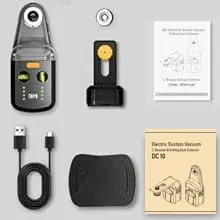
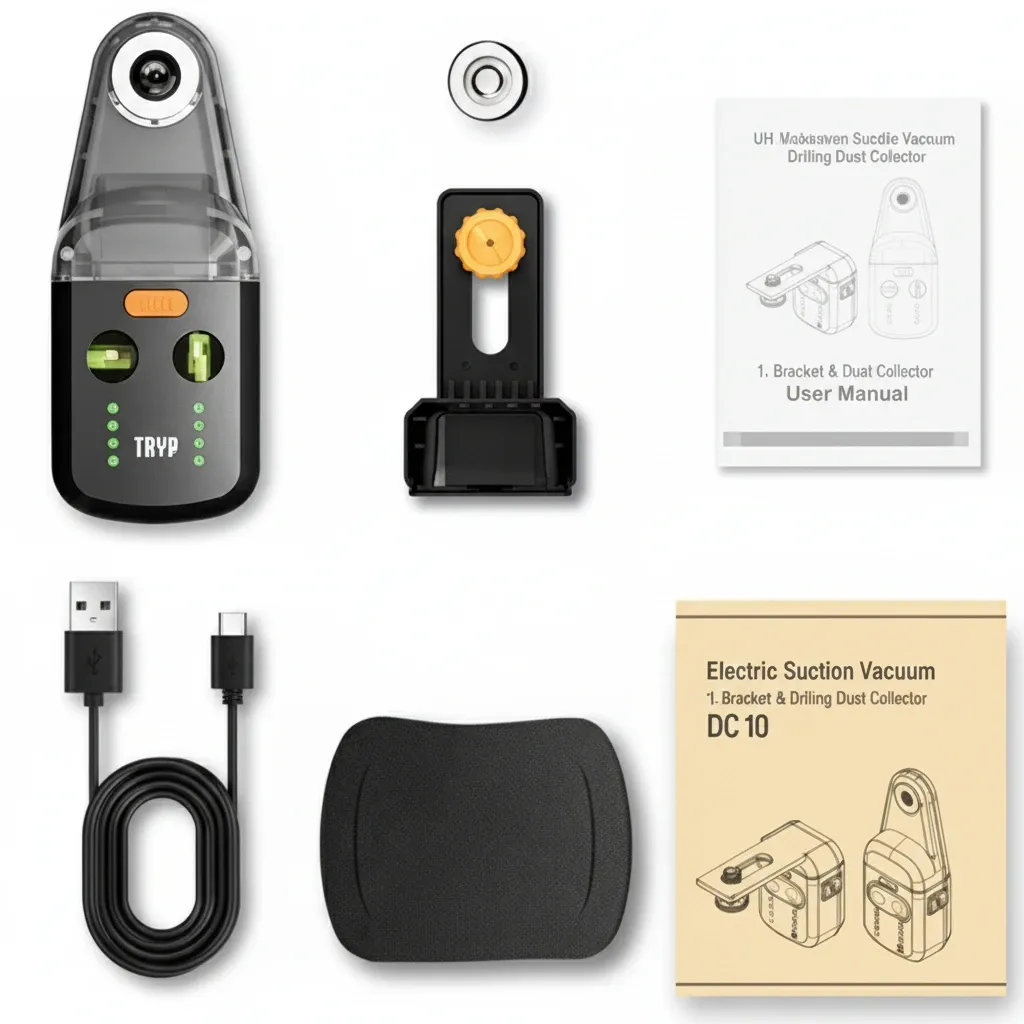
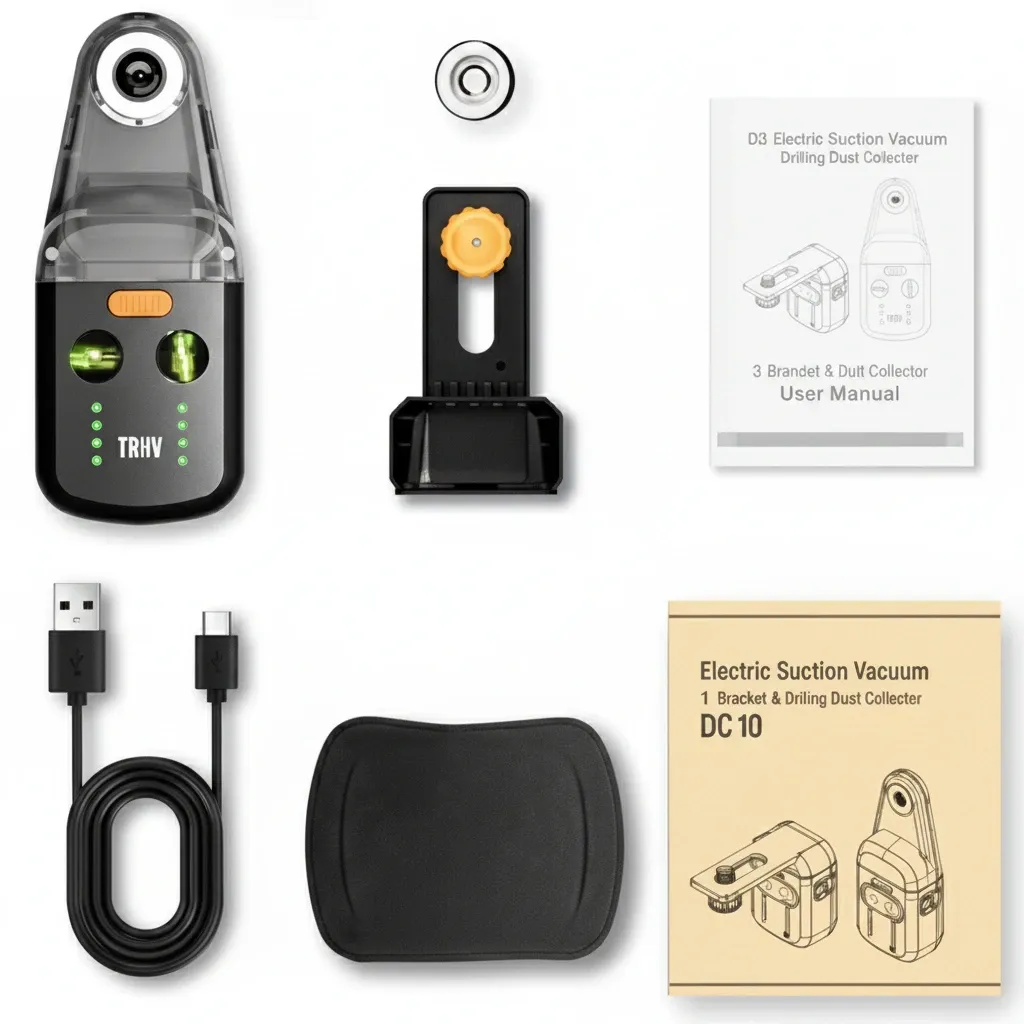
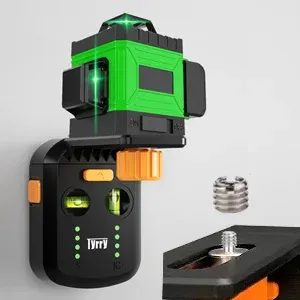
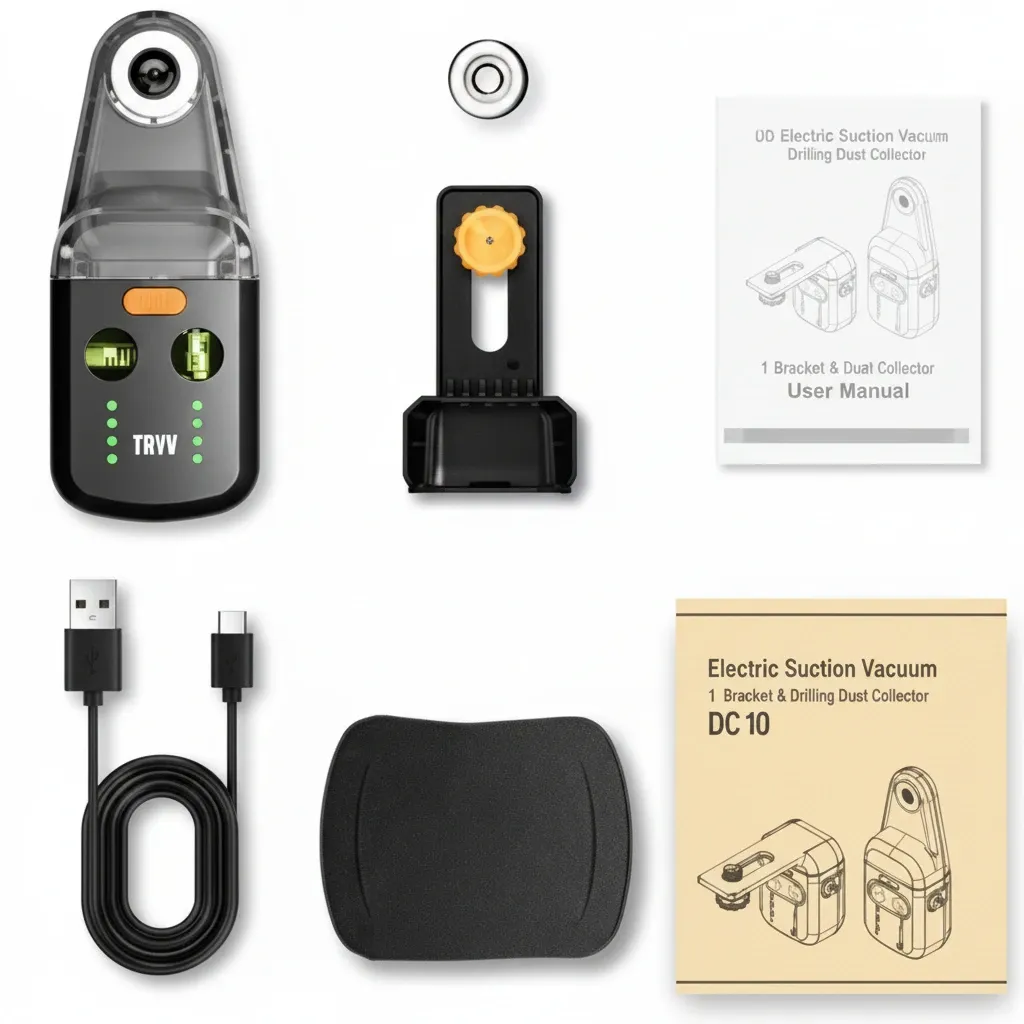
Some indoor tools are built for very specific jobs, like drilling straight, aligning tiles, or hanging shelves. One example in the market is a compact all-in-one unit priced at £48.82, designed to project a straight line, mount to smooth walls with suction, and help with accurate placement and drill-catching. That kind of tool is not a site laser, but for home use it can be excellent value.
What to check before you buy
Accuracy, visibility, and battery life matter more than shiny marketing. If you’re choosing a laser level uk model for 2026, look at the spec sheet like you’d inspect a drill chuck: closely, and without getting distracted by the box art.
Accuracy and range
For indoor decorating, ±0.5mm/m is usually fine. For trades and finish carpentry, aim for ±0.3mm/m or better. If the range is only 8m, that’s fine for a bedroom. If you’re marking a patio, you’ll want far more, especially when using a receiver outdoors.
Beam colour: red or green?
Red lasers often cost less and still work well indoors. Green beams are generally easier to see in bright spaces, but they usually chew through battery a bit faster. On a sunny site, green is often worth the extra spend. On a basic DIY job in a hallway, red can be perfectly decent.
Self-levelling speed and lock mode
Self-levelling usually works within 3 to 5 degrees of tilt. That means the tool sorts itself out quickly on uneven floors. Lock mode matters too, because it lets you angle the beam for stair rails or decorative features. My mate swears by this feature, and I get why — it turns one tool into two.
Mounting options
Magnetic brackets, tripod threads, wall mounts, suction pads, and clamps all make a difference. If the laser can’t be mounted where you need it, it becomes a headache. I’ve lost count of how many jobs have been slowed down by a tool that was fine in theory but awkward in practice.
Battery system and protection
Look for batteries with at least 4Ah for extended use, especially on site. Also check the IP rating. For outdoor work in the UK, IP54 is a sensible minimum, while IP65 gives better dust and water resistance. That matters in places like Belfast, where weather can turn quickly and nobody has time for kit that fancies a bit of drizzle.
For compliance and site safety, it’s wise to check guidance from the HSE, and for product quality references you can also look at BSI. If you’re buying for a business, that’s not paperwork fluff; it’s part of buying gear that’ll hold up.
Comparison table: key specs and use cases
Use this table to match the laser to the job. A compact indoor unit and a rotary site laser are not competing products; they solve different problems. That said, people still buy the wrong one all the time.
| Laser type | Typical range | Accuracy | Best for | Typical UK price band |
|---|---|---|---|---|
| Cross-line laser | 10m-20m | ±0.5mm/m | Hanging pictures, shelving, tiling | £30-£120 |
| Green line laser | 15m-30m | ±0.3mm/m to ±0.5mm/m | Bright indoor work, kitchen fitting | £70-£180 |
| Self-leveling rotary | 50m-200m+ with detector | ±1.5mm at 30m, better on premium units | Groundworks, patios, landscaping | £150-£700+ |
| Outdoor construction laser | Up to 250m+ with receiver | Often ±1.0mm to ±2.0mm at distance | Large external set-out | £250-£1,200+ |
| Specialist DIY line tool | Up to 10m indoors | Varies by model | Quick home alignment jobs | £20-£60 |
Good value zone for DIY: £40 to £120, meeting British quality expectations
Trade-ready sweet spot: £120 to £300
Site-grade rotary budget: £250 and up
Best choice by application
The smartest way to buy a laser level uk customers actually keep using is to start with the job, not the brand. I’ve tested enough “all-purpose” tools to know they’re often just average at everything.
For picture hanging and quick decorating
A cross-line laser with a bright horizontal beam is usually enough. If you’re doing one room at a time, a compact unit with suction mounting or a small wall bracket can be great value. You don’t need a site rotary for a gallery wall in a flat. That would be pure overkill.
For kitchens, tiling, and shelving
Pick a self-levelling cross-line model with fine adjustment and a visible vertical beam. Tile installers often want a beam that stays clear at 5m to 10m, because that’s where the work happens. Look for magnetic brackets and lock mode, especially if you’re using it for stair details or angled features.
For landscaping and patios
A rotary laser with detector is the sensible buy. You want weather resistance, long battery life, and enough range to cover the full plot. For patio levels, drainage falls, and fence lines, being able to read the beam outdoors is the difference between tidy and frustrating. If you’re comparing ranges, read the detector spec carefully; that’s where the real performance lives.
For builders and site work
Go for a rotary or construction laser with a receiver, tripod compatibility, and an IP rating of at least IP54. If it supports slope functions, even better. Honestly, I’ve tried cheaper alternatives and they just don’t cut it once the job gets serious. A bit of extra spend here usually pays back in fewer re-setups and less wasted labour.
If you’re already comparing ranges on tyrryll.co.uk, it may help to look at dedicated product categories such as laser level options and specific brand pages like DeWalt laser level models. That’s often quicker than trawling endless mixed listings.
Safety, standards, and site compliance
A laser level is generally low-risk, but the wrong habits can still cause trouble. The beam should never be stared into, and on site it should be treated like any other piece of powered kit. For workplace use, the HSE guidance on safe equipment and eye safety is the place to start, especially if you’re using Class 2 or Class 3R devices.
Laser class and eye safety
Most construction and DIY laser levels sit in Class 2 or Class 3R, with visible beams in the 635nm to 520nm range depending on red or green output. That’s why you should avoid pointing them at reflective surfaces when possible. If you’re using the tool near others, keep the beam below eye level and switch it off when you’re moving it.
Environmental protection
Outdoor tools should be checked for dust and water resistance. A rating like IP54 means limited dust ingress and splash resistance; IP65 is better for rougher conditions. If you’re working in winter, that matters. So does battery chemistry, because cold weather can reduce runtime by a noticeable chunk.
Consumer confidence
If you want extra reassurance before buying, the advice on Which? and official trade guidance from GOV.UK can help you sanity-check claims. For more local trading and compliance context, Trading Standards is useful too., popular across England
UK buying tips and common mistakes
There are a few traps people fall into again and again. The first is buying for the wrong environment. The second is chasing beam count over usability. The third is ignoring mounting gear, which is daft because a brilliant laser is useless if it keeps sliding off the wall.
Don’t overpay for beam count
A 16-line laser sounds impressive, but if you only need one straight line for skirting and shelves, you’re paying for features you won’t use. For most households, a good cross-line model beats a flashy spec sheet every time. My experience? Simpler often works better.
Check what’s included in the box
Some kits include a tripod, detector, target plate, case, and batteries. Others don’t. That can swing real-world value by £30 to £100. Look closely before clicking buy, because the base unit price can be misleading. Look, I know the price seems steep, but hear me out: a bundle that’s properly kitted out usually saves you more than piecing it together later.
Match the tool to the season
This spring, demand usually rises for gardening and outdoor levelling gear. In 2026, that pattern still makes sense, especially when the weather turns and jobs pile up. If you’re buying for patio work, don’t wait until the first warm weekend; stock can tighten fast.
Prefer reputable support
Warranty length matters. So does parts availability, calibration support, and replacement brackets. A tool with a 12-month warranty and UK support can be a better buy than a cheaper import with no proper backup. That’s the sort of detail people only notice after something goes missing or stops self-levelling.
For buyers who want a straight route to product selection, tyrryll.co.uk also has category pages such as laser level Screwfix comparisons, which can be handy if you’re weighing price against kit contents across the market.
Frequently Asked Questions
What is the best laser level for DIY use in the UK?
A cross-line self-levelling model is usually the best DIY choice. It gives you 10m to 20m indoor range, decent visibility, and enough accuracy for shelves, tiles, and picture hanging. If you only do occasional jobs, aim for £40 to £120 and make sure it includes a bracket or tripod thread.
Do I need a green beam laser level?
Not always, but green beams are easier to see in bright rooms and some outdoor settings. They usually cost more and can use more battery, so red is still fine for many indoor jobs. If you work in daylight or large open areas, green is often worth the extra £20 to £50.
What accuracy should I look for?
For everyday DIY, ±0.5mm per metre is normally good enough. For trade work, aim for ±0.3mm per metre if you can. Outdoor rotary lasers are often quoted differently, such as ±1.5mm at 30m, so compare like for like rather than just reading the headline number.
Can a laser level be used outside?
Yes, but you’ll usually need a rotary model and a detector. Bright sunlight can wash out the beam, so a receiver extends the usable range up to 200m or more on some units. Check the IP rating too; IP54 is a sensible minimum, while IP65 gives better weather protection.
Are expensive laser levels worth it?
They can be, especially if you use the tool every week. Better models often give tighter accuracy, stronger housings, better battery life, and more stable mounts. For occasional home use, though, a £48.82 to £120 model can be perfect if it has self-levelling and a reliable bracket.
What should I buy for patios and landscaping?
A self-levelling rotary laser with detector is the best fit for patios, drainage falls, and landscaping. Look for at least 50m working range outdoors, IP54 or higher, and a solid tripod mount. For larger plots, a 200m+ detector range can save time and reduce re-setting the tool.
Key takeaways
- Pick the laser to match the job: cross-line for DIY, rotary for site and landscaping.
- Accuracy matters more than beam count: ±0.5mm/m is fine for most home use; ±0.3mm/m is better for trade work.
- Green beams are easier to see: they help in bright rooms and daylight, but they cost more.
- Outdoor work needs a detector: without one, sunlight will flatten your visibility fast.
- Check IP ratings and mounting gear: IP54 is a sensible minimum for outside use.
- Bundle value can be better than base price: cases, tripods, and receivers can add £30 to £100 of real value.
- For 2026, buy on usability, not hype: the best laser is the one you’ll actually use every week.
Related Articles
Hang shelves and frames straighter with less mess
Tyrryll 4-in-1 · Suction mount · Dust collection · Free UK delivery · 30-day returns
Shop Tyrryll 4-in-1 Laser Level — £53.99